
On this page
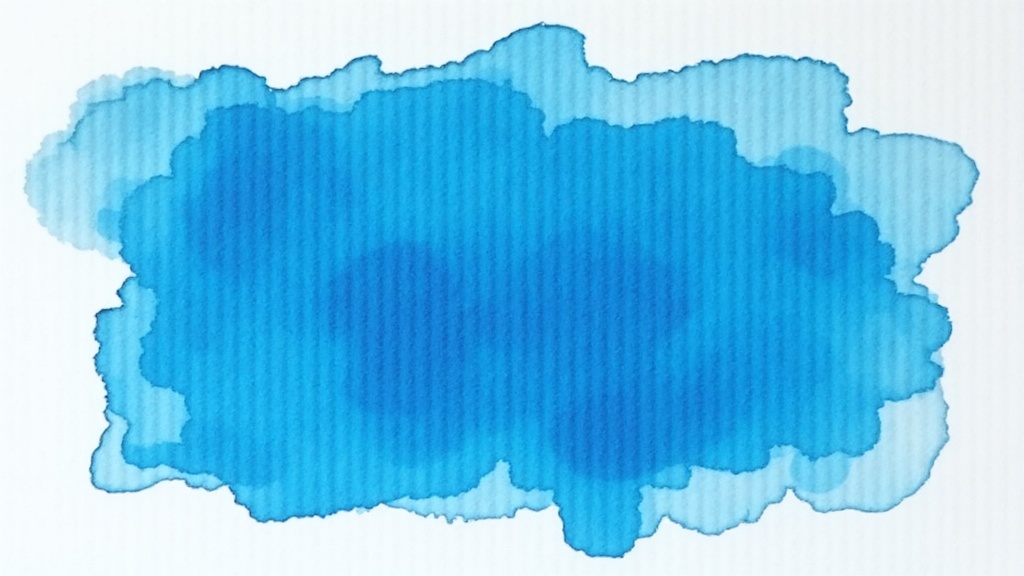
Best Blue Fountain Pen Inks: From Classic Navy to Vibrant Cerulean
After a decade of testing over 200 fountain pens and probably twice as many inks, I can tell you this: blue is the most forgiving, most versatile, and ironically, the most complex color category in fountain pen ink. What started as my quest for “just a good blue ink” turned into years of swatches, flow tests, and borderline-obsessive comparisons under different lighting conditions.
The best blue fountain pen ink depends entirely on your use case—whether you need archival permanence for legal documents, smooth flow for flex nibs, or just a shade that doesn’t make your handwriting look like a middle school essay. I’ve narrowed down the standouts across five categories: classic blue-blacks, true blues, business-appropriate options, vibrant statement inks, and water-resistant formulas.
What Makes a Blue Ink “Good”?
Before diving into specific recommendations, let’s establish the engineering criteria I use. Flow characteristics matter more than most people realize—an ink that feathers on cheap paper or starves in a fine Japanese nib isn’t “good” regardless of how pretty the color is.
I evaluate every ink on these parameters: saturation (pigment density), lubrication (how it feels writing), dry time (crucial for lefties and fast note-takers), water resistance, and behavior on various paper stocks. Shading and sheen are bonuses, not requirements—I’m a product designer, not a calligrapher.
The Definitive Blue Ink Categories
Classic Blue-Blacks: Professional Workhorses
Blue-black inks occupy the sweet spot between conservative black and too-casual blue. They’re office-appropriate, age beautifully, and typically have better water resistance than pure blues.
Pilot Iroshizuku Shin-kai remains my benchmark. The name translates to “deep sea”—and that’s exactly what you get. It’s a saturated blue-black with subtle grey undertones that photographs well in scanned documents. Flow is impeccable even in dry-writing pens. The 50ml bottle is expensive per milliliter, but the built-in reservoir makes refilling cleaner than cheaper options.
Diamine Blue-Black is the budget champion here. It’s been in production since the 1860s, which tells you something about its staying power. The formula skews more toward black than Shin-kai, making it better for formal correspondence. I’ve used it for contract signatures—it’s permanent enough for archival purposes and costs about a quarter of premium Japanese inks.
True Blues: The Standard Bearers
When someone says “blue ink,” these are what they mean—medium saturation, no black undertones, the Platonic ideal of blueness.
Waterman Serenity Blue is so safe it’s boring—and I mean that as high praise. It’s the ink I recommend to anyone getting their first fountain pen because it works in literally everything. Dry time is fast, it doesn’t feather on cheap copy paper, and it’s pH-balanced to prevent pen corrosion. The color is medium-light blue with zero personality, which is exactly what you want for daily writing.
Pilot Iroshizuku Kon-peki is Waterman’s artistic cousin. The bright cerulean blue has strong red sheen on good paper, and it shades beautifully with broader nibs. I use this for design annotations where I want the notes to stand out from printed black text. Flow is wet, so avoid it in pens that already run rich.
Business-Appropriate Blues
These walk the line between “professional” and “I have a personality”—conservative enough for client meetings but distinctive enough that people notice your pen.
Parker Quink Blue has been the corporate standard for decades. It’s slightly more saturated than Waterman, with a hint of purple that makes handwriting more legible on photocopies. The formula is forgiving with neglected pens—I’ve left it in pens for months without hard starts. Available everywhere, including airport stationery stores when you’re traveling.
Pelikan 4001 Royal Blue is what German engineering looks like in liquid form. Dry time is impressively fast, making it ideal for rapid note-taking. The color is a neutral blue that looks professional without being bland. It’s thin compared to Japanese inks, which means it works better in European pens with wetter feeds.
Comparison: Daily Driver Blues
| Ink | Color Profile | Dry Time | Water Resistance | Best For |
|---|---|---|---|---|
| Waterman Serenity Blue | Medium-light blue | 15-20 sec | Low | Beginners, daily writing |
| Pilot Kon-peki | Bright cerulean | 25-30 sec | Low | Expressive writing, shading |
| Parker Quink Blue | Medium blue-purple | 12-18 sec | Medium | Office work, reliable |
| Diamine Blue-Black | Dark blue-black | 18-22 sec | Medium-High | Formal documents, archival |
| Pelikan 4001 Royal Blue | Neutral true blue | 10-15 sec | Low-Medium | Fast note-taking |
Vibrant Statement Blues
These are for when you want people to notice your ink, not just your handwriting. I use them for personal correspondence and design sketches—anywhere personality matters more than conformity.
Noodler’s Baystate Blue is the most aggressively vibrant blue I’ve ever used. It’s an electric, almost neon blue that practically glows on white paper. Warning: this ink is notorious for staining everything it touches—pens, converters, even some plastics. I keep it in a dedicated cheap pen because the risk isn’t worth using it in anything expensive. But for pure visual impact, nothing else comes close.
J. Herbin Bleu Pervenche is a softer approach to vibrant blue. It’s a periwinkle with subtle purple undertones that shades dramatically. The 30ml bottles have a built-in pen rest, which is a nice touch for desk use. This is my go-to for handwritten thank-you notes where I want the writing to feel personal but not unprofessional.
Water-Resistant and Permanent Blues
For anything that needs to survive water exposure—address labels, field notes, or legal documents—you need pigment-based or iron gall formulas.
Platinum Blue-Black Pigment uses nano-pigment particles that bond to paper fibers. Once dry, it’s completely waterproof. I’ve tested this by soaking written pages in water for hours—the writing doesn’t budge. The tradeoff is maintenance: you need to use the pen regularly or flush it thoroughly before storage. Leaving this ink to dry in a pen will require ultrasonic cleaning to revive.
De Atramentis Document Blue is an iron gall formula that darkens as it oxidizes on paper. Fresh writing is a medium blue; after 24 hours it shifts toward blue-black and becomes permanent. The formula is pen-safe despite being iron gall—modern versions don’t have the acidity issues that damaged vintage pens. I use this for journal entries I want to preserve long-term.
Matching Ink to Paper Quality
Here’s something most ink reviews ignore: paper matters as much as the ink itself. The same ink behaves completely differently on Rhodia versus cheap office paper.
On cheap paper (20lb copy paper, newsprint), stick with fast-drying formulas like Pelikan 4001 or Parker Quink. Wetter inks like Kon-peki will feather and bleed through. On premium paper (Tomoe River, Rhodia, Clairefontaine), you can use anything—this is where shading and sheen properties actually show up.
For everyday notebooks (Moleskine, Leuchtturm1917), medium-wetness inks work best. These papers are fountain-pen-friendly but not perfect. Waterman and Diamine inks are formulated for this middle ground.
The Economics of Blue Ink
Price per milliliter varies wildly, but expensive doesn’t always mean better. A 50ml bottle of Pilot Iroshizuku costs around $28-32—roughly $0.60/ml. A 80ml bottle of Diamine costs $12-15—about $0.17/ml. For daily writing, the Diamine is objectively smarter unless you need the specific performance characteristics of Iroshizuku.
I buy premium inks for special-use cases (architectural permanence, special occasions) and budget inks for volume work. My actual daily driver is Waterman Blue in a workhorse pen, with Kon-peki in a flex nib for sketching.
Frequently Asked Questions
What’s the difference between washable and permanent blue inks?
Washable inks (most dye-based formulas like Waterman, Parker, Pilot standard inks) will smear or disappear when exposed to water. Permanent inks use pigments or iron gall formulas that chemically bond to paper fibers. For everyday writing, washable is fine—it’s easier on your pens. Use permanent only when you need archival quality or water resistance.
Can I mix different blue inks to create custom shades?
Technically yes, but I don’t recommend it. Different manufacturers use different pH levels, surfactants, and additives that can react unpredictably. If you must experiment, only mix inks from the same brand and never mix dye-based with pigment-based or iron gall formulas. Keep experimental mixes in cheap pens you don’t mind destroying.
Why does my blue ink look different in different pens?
Nib width, feed wetness, and writing angle all affect ink appearance. A wet broad nib will show more shading and darker saturation than a dry fine nib with the same ink. Japanese fine nibs (typically 0.2-0.3mm line width) write much thinner than Western fine nibs (0.4-0.5mm), which concentrates the ink differently. This is normal—test new inks in the specific pen you plan to use.
How long do fountain pen inks last in the bottle?
Unopened, most inks last indefinitely if stored properly (room temperature, away from direct sunlight). Once opened, dye-based inks typically last 2-5 years before the color starts shifting or sediment forms. Pigment-based inks can separate over time but usually reconstitute with shaking. I’ve used 10-year-old Waterman Blue with zero issues—quality manufacturers use preservatives that extend shelf life significantly.
Is blue-black ink actually blue or black?
Blue-black is a distinct color category that sits between true blue and true black—think charcoal blue or navy. The exact shade varies by manufacturer. Diamine Blue-Black leans 70% black, 30% blue. Pilot Shin-kai is closer to 60/40. They’re designed to be more formal than blue while less severe than pure black. Perfect for professional settings where black feels too harsh but blue feels too casual.
My Current Rotation
After years of testing, here’s what actually lives on my desk: Pilot Shin-kai for client work and contracts, Kon-peki for design annotations, and Diamine Blue-Black for everything else where I need volume. That’s three bottles covering 95% of my use cases.
The best blue fountain pen ink isn’t about finding one perfect option—it’s about matching specific formulas to specific needs. Start with Waterman Serenity Blue to learn what “normal” feels like, then branch out based on what you actually need: more saturation, faster dry time, better water resistance, or just a color that makes you want to write more. The right blue ink makes writing feel like less of a chore and more of a choice.
Scope, uncertainty & affiliate disclosure
Writing feel is personal. Product details can vary by version, and NibGuide does not imply that every item mentioned was personally purchased or tested.
Some links may be affiliate links. NibGuide may earn a commission at no added cost to you; this does not determine editorial conclusions.
Leave a Comment