On this page
What Is Nib Flex? A Beginner’s Guide to Flexible Fountain Pen Nibs
Nib flex is the ability of a fountain pen nib to spread apart under writing pressure, creating line variation from thin to thick within a single stroke. After testing over 200 pens in the last decade, I can tell you that genuine flex is rarer and more nuanced than most beginners realize—and the marketing around it is often misleading.
If you’ve seen calligraphy with dramatic thick downstrokes and hairline upstrokes, you’ve seen flex in action. But understanding what flex actually is, how it works mechanically, and whether you need it requires looking past the hype. Let me break down what a product designer’s eye reveals about flexible nibs.
What Nib Flex Actually Means
Nib flex refers to the controlled, reversible spreading of the two tines of a fountain pen nib when pressure is applied. The key word here is controlled. A nib that simply bends isn’t flexible—it’s just soft. True flex returns to its original position without permanent deformation and provides consistent line variation throughout its flex range.
When you apply downward pressure while writing with a flex nib, the tines separate at the tip, widening the slit between them. This allows more ink to flow onto the page, creating a broader line. Release the pressure, and the tines spring back together for a fine line. This dynamic line variation is what creates the signature look of flex writing.
The Mechanics Behind Flex
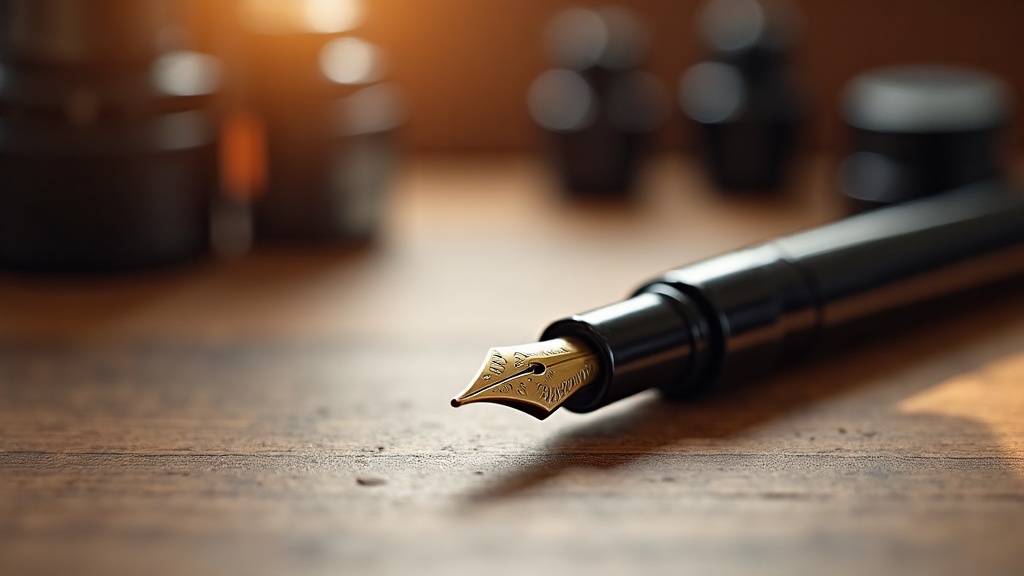
From an engineering perspective, nib flex depends on three factors: tine length, material thickness, and alloy composition. Longer tines with thinner cross-sections flex more easily. The shape of the breather hole also matters—it’s not just decorative. That hole provides a stress relief point that controls where and how the tines separate.
Most modern steel nibs are too thick and rigid for meaningful flex. Gold nibs have better spring properties, but even gold doesn’t guarantee flex. A thick 14k gold nib can be stiffer than a thin steel nib. Vintage flex nibs typically used thinner gold alloys with longer tines, which is why they remain the gold standard for flex performance.
Degrees of Flex: Not All Flex Is Created Equal
The fountain pen community uses loose terminology here, which creates confusion. I categorize flex into four distinct levels based on actual performance, not marketing claims:
| Flex Level | Line Variation | Pressure Required | Best For |
|---|---|---|---|
| Firm/Nail | None to minimal | N/A | Everyday writing, quick notes |
| Soft/Cushion | 0.5-1.0mm | Light to moderate | Expressive daily writing |
| Semi-Flex | 1.0-2.0mm | Moderate | Casual calligraphy, decorative writing |
| Full Flex | 2.0mm+ | Moderate to firm | Copperplate, Spencerian script |
Most pens marketed as “flexible” today are actually soft or semi-flex at best. True full flex is almost exclusively found in vintage pens or modern specialty nibs. Don’t let a retailer convince you that a Pilot Metropolitan with a soft nib is a flex pen—it’s not.
Vintage Flex vs. Modern Flex Nibs
Here’s where opinions matter, and mine is informed by direct comparison testing. Vintage flex nibs from the 1900s-1950s remain superior for one simple reason: they were designed for flex from the ground up during an era when penmanship with line variation was the norm.
Why Vintage Flex Works Better
Pre-ballpoint era pens used thinner tines, longer nib profiles, and specific gold alloy formulations (typically 14k) that provided ideal spring characteristics. The feed systems were also designed to supply the increased ink flow demands of flexed writing. A vintage Waterman or Sheaffer flex nib will outperform almost any modern equivalent.
The catch? Vintage flex nibs require hunting through estate sales, pen shows, or specialized dealers. They need restoration work. And prices have climbed as collectors have caught on—expect $100-$400 for a quality vintage flex pen in working condition.
Modern Flex Options
Modern pen manufacturers face a problem: most people don’t write in Spencerian script anymore. Designing expensive tooling for true flex nibs serves a niche market. That’s why most “flex” offerings are compromises.
The exceptions worth noting: Pilot Falcon offers genuine soft-to-semi-flex. FPR Ultra Flex nibs provide good flex at budget prices but require feed tuning. And some artisan nib grinders can modify existing nibs for flex, though results vary wildly.
How to Write with a Flex Nib
Flex nibs require different technique than standard nibs. I’ve seen too many beginners railroad their first flex nib within hours by applying pressure wrong. Here’s what actually works:
The Core Technique
Apply pressure on downstrokes only, and I mean only. Upstrokes should be light—pen weight only. The pressure comes from your forearm, not your fingers. Your fingers guide direction; your arm provides controlled pressure through your whole hand.
Start with minimal pressure and gradually increase until you see line variation. You’re not trying to spread the tines to their maximum on every stroke. Subtle variation looks better than extreme flex forced on every letter.
Common Mistakes That Damage Flex Nibs
- Side pressure: Flex nibs spread vertically, not laterally. Twisting or side pressure causes misalignment.
- Constant pressure: Keeping tines spread while moving sideways drags the nib and can spring the tines permanently.
- Too much flex too fast: Maximize flex gradually over weeks of use, not immediately.
- Writing too fast: Flex requires slower, more deliberate strokes. Speed kills flex nibs.
Paper quality matters more with flex than regular nibs. Cheap paper fibers catch between spread tines, causing skips and scratchiness. Use smooth, fountain-pen-friendly paper—Rhodia or Clairefontaine are solid choices.
Choosing Your First Flex Nib
If you’re new to flex, don’t start with a $300 vintage pen or a delicate gold nib. Start with something forgiving that teaches proper technique without risk of expensive damage.
Best Entry-Level Flex Options
The Pilot Falcon with a soft fine or soft medium nib is my top recommendation for beginners with budget. It’s reliable, readily available, and provides genuine semi-flex with good snap-back. The resin version runs around $140, which hurts less if you spring it learning.
For tighter budgets, Fountain Pen Revolution’s Ultra Flex nibs offer impressive flex for under $40. They require more maintenance and feed adjustment, but they’ll teach you what real flex feels like without breaking the bank.
Avoid: Noodler’s Ahab/Konrad flex nibs. They’re marketed as flex but perform inconsistently. Some write well, others railroad constantly. The quality control isn’t there.
Ink Considerations for Flex Nibs
Flex writing dumps more ink per stroke than regular writing. This means you need inks with specific properties: good flow, reasonable dry time, and no tendency to feather on flex-friendly paper.
I keep Waterman inks for flex work—they’re wet, flow freely, and don’t clog feeds. Pilot Iroshizuku also works well. Avoid dry inks like some Noodler’s formulas; they’ll cause hard starts and skipping when you flex.
Saturation matters too. Low-saturation inks won’t show line variation as dramatically. You want inks with strong color that makes thick strokes visually distinct from thin ones.
Is Flex Right for You?
Be honest about your use case. If you’re writing quick notes, signing checks, or journaling at speed, flex is wrong for you. Flex excels at deliberate, decorative writing: hand-lettered envelopes, special occasion cards, practice calligraphy, or artistic journaling where aesthetics matter more than speed.
Flex also requires maintenance awareness. You’ll need to clean flex pens more frequently because increased ink flow means more opportunity for dried ink buildup in the feed channels. Budget 5-10 minutes per month for proper cleaning.
The learning curve is real. Expect weeks of practice before your flex writing looks intentional rather than shaky. If that sounds like fun exploration, flex is for you. If it sounds like tedious work, stick with a smooth extra-fine or medium nib and enjoy effortless writing.
Frequently Asked Questions
Can you use flex nibs for everyday writing?
You can, but it’s not ideal. Flex nibs write slower and require more conscious pressure control than firm nibs. For daily tasks like note-taking or list-making, a standard firm nib is faster and more practical. Save flex for when you want expressive line variation, not when you’re transcribing a meeting.
Will flexing a regular nib damage it?
Absolutely. Regular nibs aren’t designed to flex. Applying pressure to spread the tines on a firm nib causes permanent deformation—what we call “springing” the nib. Once sprung, the nib won’t return to proper alignment and will write poorly or not at all. If your pen isn’t marketed as having flex, don’t try to force it.
What’s the difference between a soft nib and a flex nib?
A soft nib provides cushion and slight give under pressure, creating minimal line variation (under 1mm). It’s comfortable for extended writing but won’t produce dramatic calligraphic effects. A flex nib is specifically engineered to produce significant line variation (1-3mm+) through controlled tine separation. All flex nibs are soft, but not all soft nibs are flex.
How much pressure should I use on a flex nib?
Start with the minimum pressure needed to see tine separation—usually just slightly more than pen weight. For semi-flex nibs, think “firm pressure” not “hard pressure.” For full flex vintage nibs, you can apply more, but always gradually. If you’re straining your hand or the pen feels like it’s fighting back, you’re using too much pressure.
Are gold nibs always more flexible than steel?
No. Gold has better spring properties than steel, but thickness and geometry matter more than material. A thick, short 14k gold nib can be completely rigid, while a thin, long steel nib might have some flex. That said, most genuine flex nibs are gold because it’s easier to engineer consistent spring behavior with gold alloys. Don’t assume gold equals flex—check specific nib design and user reviews.
Scope, uncertainty & affiliate disclosure
Writing feel is personal. Product details can vary by version, and NibGuide does not imply that every item mentioned was personally purchased or tested.
Some links may be affiliate links. NibGuide may earn a commission at no added cost to you; this does not determine editorial conclusions.
Leave a Comment