On this page
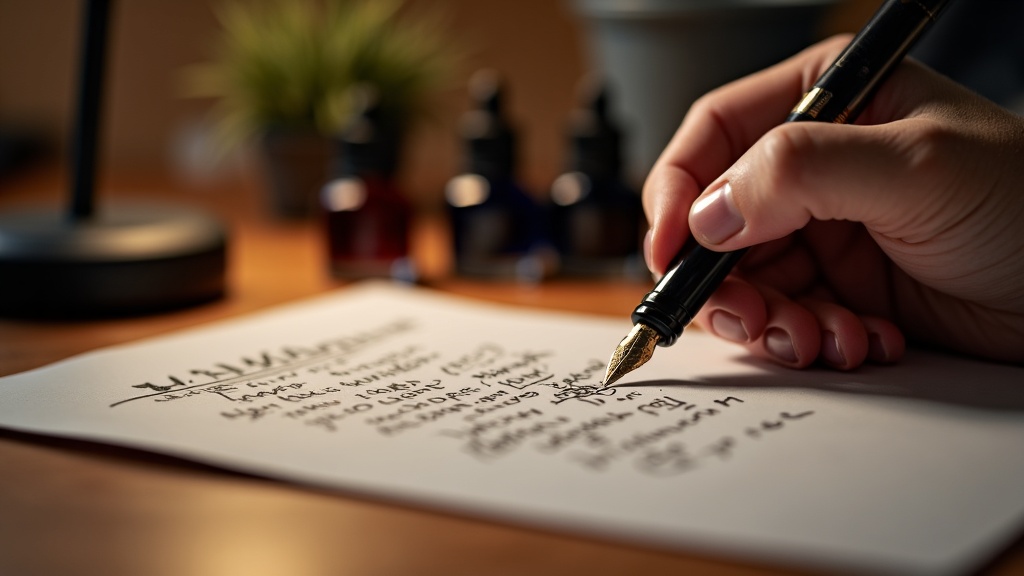
I’ve tested enough pens, nibs, and inks to know this question matters more than it first appears. Yes, fountain pens can absolutely be used for drawing and sketching. In fact, many artists prefer them because they put down expressive lines, feel more responsive than disposable fineliners, and make it easy to build a sketching kit around one pen body and several inks.
That said, not every fountain pen is a good drawing pen. The nib width, ink behavior, grip comfort, and overall durability matter much more when you are sketching for long sessions than when you are only writing a page of notes. If you want a fountain pen for art, the goal is not just smooth writing. The goal is controlled, repeatable lines you can trust.
The Short Answer
Fountain pens work well for drawing as long as you pair the right pen with the right ink and paper. A fine or extra-fine nib is usually the safest starting point because it gives you cleaner edges, better detail, and less chance of feathering on everyday sketchbook paper.
The biggest tradeoff is that fountain pens are less forgiving than felt-tip pens if your materials are mismatched. A wet broad nib with a slow-drying ink on cheap paper can turn a clean sketch into a blurry mess. But a reliable fine nib with a well-behaved ink can be excellent for urban sketching, line art, loose studies, and even finished illustrations.
What Matters Most Before You Buy
If you are shopping specifically for drawing, these are the four things I would prioritize before brand prestige or fancy materials:
- Nib size: Extra-fine and fine nibs give you more control for hatching, detail work, and cleaner outlines.
- Ink flow: A moderate flow is easier to manage than a very wet pen, especially if you sketch on mixed-quality paper.
- Grip and balance: A pen that feels comfortable for writing may still feel awkward during long drawing sessions.
- Ink choice: Water-resistant ink matters if you want to add watercolor or markers over your line work later.
Paper matters too, but most people make better progress by fixing the pen and ink combination first. Once you find a setup that gives you predictable lines, you can experiment with smoother or more absorbent paper depending on your style.
My Top Picks or Buying Tiers
If you want a safe shortlist instead of a rabbit hole, I would start with starter fountain pens, fountain pen ink, and fountain pen paper before spending more.
I usually think about drawing pens in tiers rather than chasing one universal best option. Different budgets and use cases call for different strengths.
- Best budget tier: A dependable steel-nib pen with a fine nib is ideal for beginners who want low risk and easy replacement.
- Best everyday sketch tier: A lightweight pen with consistent flow works well for daily carry and fast location sketches.
- Best for line variation: A soft or slightly springy nib can add character, but it is better once you already have good pressure control.
- Best for mixed media: A pen that seals well and handles pigment or water-resistant ink is the most versatile for finished artwork.
If you are new to fountain pens, I would not start with a flex nib or an expensive gold nib. Those can be excellent tools, but they are less forgiving and often distract from the fundamentals of angle, pressure, and paper selection.
Who Each Option Fits Best
The right choice depends less on skill level alone and more on how you actually draw.
- Urban sketchers: Benefit most from a fine nib, quick-drying ink, and a cap that posts securely.
- Illustrators: Often want cleaner line consistency first, then may add broader or flexible nibs for style.
- Beginners: Should choose a simple cartridge-converter pen that is easy to clean and easy to replace.
- Mixed-media artists: Need water-resistant ink if they plan to wash watercolor over the sketch afterward.
If your main goal is expressive mark-making, a fountain pen can be more satisfying than a technical pen. If your main goal is ultra-precise, ruler-clean consistency, disposable pigment liners may still be the easier tool. A lot of artists keep both.
If you are buying for school, office notes, or general everyday writing, I would lean toward conservative nib sizes and pens with solid cap sealing first. If you are buying because you want to enjoy the hobby side, grip shape and nib-swapping options matter more because they affect how much room you have to experiment later.
This is also where personality starts to matter. Some beginners want the simplest possible success path, while others are happy to trade a little convenience for a pen that feels more distinctive in the hand.
Mistakes I See Beginners Make
The most common mistake is buying a fountain pen because it looks beautiful, then discovering it is too broad, too wet, or too precious to become a real everyday art tool. Drawing pens need to be usable, not just impressive. A pen you are willing to carry, refill, and occasionally knock around will usually get more real sketching done.
The second big mistake is ignoring ink and paper. People often blame the nib when the real problem is feathering, smudging, or poor dry time caused by the surface or ink formula. If your sketches look fuzzy or messy, change one variable at a time before giving up on fountain pens for art.
A quieter mistake is copying recommendation lists without checking how you actually write. A pen that is perfect for journaling on better paper may be a poor match for fast notes on office stock, and a broad wet nib that looks fun online can become annoying fast if your paper quality is average.
I would rather see a beginner buy one modest pen that works every morning than a more glamorous one that creates preventable friction. Early confidence matters more than chasing a collector’s idea of the perfect starter setup.
Bottom Line
Fountain pens are not just usable for drawing. In the right setup, they are genuinely excellent. They bring personality to line work, make sketching feel more deliberate, and can turn even quick studies into something more expressive.
For most people, the best place to start is a comfortable fine-nib pen, a well-behaved ink, and paper that can handle liquid ink without bleeding. Keep the setup simple, learn what line quality you like, and build from there.
If you want the safest recommendation, I would keep the decision boring on purpose: reliable brand, fine or medium nib, straightforward ink, and a body shape you will actually enjoy holding for a page or two. That formula is not flashy, but it is what sets up most new fountain-pen users for a good first month.
Extra Context That Changes the Decision
I also think the wrong choice usually comes from chasing one spec in isolation. In practice, nib feel, dry time, paper tolerance, maintenance burden, and total cost all interact, so I prefer to weigh them together before I recommend anything.
That is why I keep coming back to fit and tradeoffs instead of one-size-fits-all advice. A pen or ink can be technically good and still be wrong for the way you actually write, the paper you use most, or the amount of maintenance you are willing to do.
What I Would Buy First if You Are Unsure
If you are stuck between several beginner recommendations, I would bias toward the pen that is easiest to live with for the first 30 days rather than the one with the most hype. Good cap sealing, predictable nib behavior, and simple refilling matter more early than prestige or special materials.
I also think a beginner should leave room in the budget for decent ink and at least one paper that lets the pen show its strengths. A solid starter pen on miserable paper can create the false impression that fountain pens are overrated, when the real mismatch is the overall setup.
When I Stop Troubleshooting at Home
I stop home troubleshooting the moment the pen starts asking for force. If a nib feels misaligned enough that I would need to bend metal by feel, or a filling system feels stuck enough that I want tools instead of patience, that is usually my sign to back off.
I also think cost matters in a practical way. A basic pen with a stubborn problem may be worth replacing, while a vintage or sentimental pen is usually worth handing to someone who knows how to preserve original parts and avoid collateral damage.
If you want a simple rule, here it is: maintenance should feel gentle and reversible. The moment the fix starts sounding invasive, the smartest move is often to stop and let a repair specialist take over.
Small Clues That Change My Answer
A pen that only skips on one paper or with one dry ink usually tells me the problem is still in setup territory. A pen that behaves badly across several good inks and papers after a proper flush makes me more suspicious of tine alignment, seal failure, or feed damage.
I also listen for patterns around filling. If the converter feels loose, the piston feels gritty, or the pen leaks into the cap after travel, those clues usually point to a mechanical issue rather than a simple cleaning problem. That is exactly where a careful repair person earns their keep.
The reason I like paying attention to small clues is that they stop you from overreacting in the wrong direction. You either avoid an unnecessary repair bill, or you avoid making a fragile pen worse by insisting on one more DIY attempt.
If the pen matters to you, that distinction is worth taking seriously. Good troubleshooting is really about knowing when to keep going and when to stop before the damage gets expensive.
How I Would Decide in Five Minutes
If I had only a few minutes to make the call, I would ask three questions. Did the pen improve after a thorough flush, does it behave the same across known-good ink and paper, and can I see or feel anything physically wrong with the nib or filling system? Those three answers usually tell me whether I am still in cleaning territory or whether the problem has crossed into repair territory.
I also think it helps to separate inconvenience from actual failure. A pen that needs a deeper clean is annoying, but it is not automatically broken. A pen that keeps leaking, keeps hard-starting after careful cleaning, or feels mechanically wrong when filling is telling you something more serious.
That distinction matters because many fountain-pen problems reward patience, while true repair issues punish it. The more clearly you can tell those two categories apart, the less likely you are to waste time, money, or a good pen.
For beginners especially, I would rather see one extra round of calm diagnosis than one aggressive attempt to force a solution. Pens are easier to maintain than to resurrect after a bad repair guess.
That is why my rule stays boring on purpose: clean gently, test methodically, and escalate only when the evidence points to an actual fault.
Scope, uncertainty & affiliate disclosure
Writing feel is personal. Product details can vary by version, and NibGuide does not imply that every item mentioned was personally purchased or tested.
Some links may be affiliate links. NibGuide may earn a commission at no added cost to you; this does not determine editorial conclusions.
Leave a Comment