On this page
The Question That Changes How You Think About Writing
Every serious fountain pen person I know has a version of the same story: they used ballpoints for years, picked up a fountain pen almost by accident, and within a week, couldn’t understand why they’d ever written any other way.
I’m one of them. I now own over 200 fountain pens — and yes, I still reach for a ballpoint when I’m filling out a form in a waiting room or signing a package receipt. Both tools have their place. But if you’re wondering whether the switch is worth it for everyday writing, journaling, note-taking, or just the pleasure of putting ink to paper, the answer is probably yes. Let me explain exactly why.
The Core Differences: What You’re Actually Comparing
How They Work
A ballpoint pen uses a small rotating metal ball to apply thick, oil-based ink onto paper. The ink is viscous and dries almost instantly. It works on nearly any surface, at any angle (including upside down), and requires pressure from the writer to function.
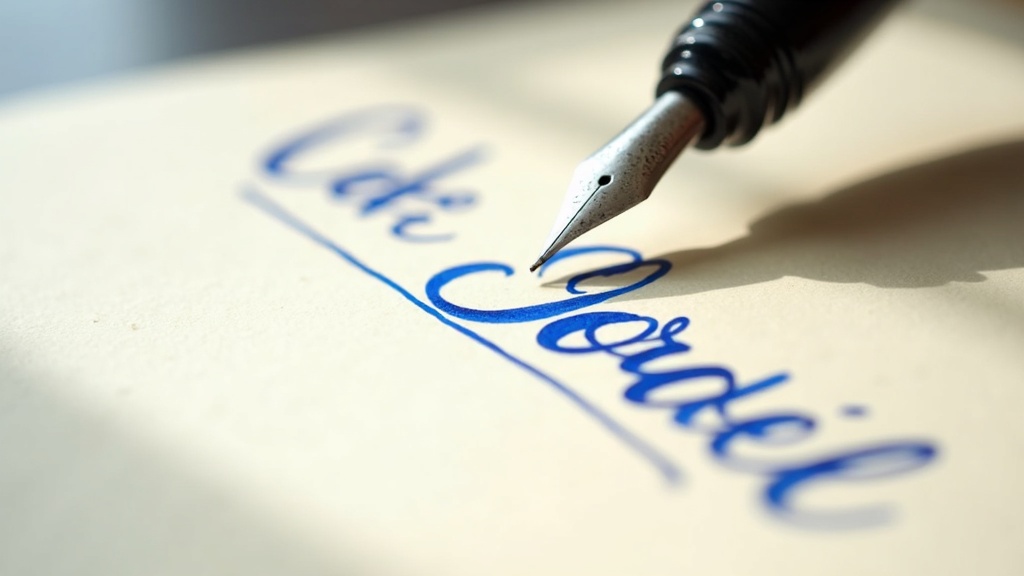
A fountain pen feeds water-based ink from a reservoir (cartridge, converter, or piston-fill barrel) through a split metal nib to the paper via capillary action. Gravity and capillary flow do the work — you don’t need to press. The ink is far thinner than ballpoint ink and takes a moment to dry depending on the paper and ink formula.
The Writing Feel
This is where the comparison becomes unfair to the ballpoint. Fountain pens write with almost zero pressure. The nib glides across paper — the experience is closer to painting than to pressing. After a long writing session with a ballpoint, your hand fatigues. After the same session with a fountain pen, many writers report their hand feeling fresh.
The Reddit fountain pen community says it best: “No pressure required to write, which makes it a million times more comfortable to use.” That’s not hyperbole. Reduced hand strain is one of the most consistent reasons people switch and stay switched.
Ink Options
The ballpoint pen gives you three or four ink colors. The fountain pen gives you access to thousands — every shade of blue, green, red, orange, purple, brown, and black imaginable. Shimmering inks with metallic particles. Shading inks that shift from light to dark across a single stroke. Seasonal inks that capture the color of autumn leaves or winter fog.
This is where fountain pens transform from writing tools into something more: a creative medium. Many users start with the pen and stay for the ink.
Where Ballpoints Still Win
Let’s be honest, because a good review acknowledges both sides.
Reliability Everywhere
Ballpoints write in cold temperatures, on glossy paper, on receipts, on cardboard, and in the rain. They don’t skip on non-absorbent surfaces. They work after sitting unused for months. They write upside down on a ladder.
Fountain pens can skip on coated paper, struggle in cold conditions, and may need to be primed after sitting dry for extended periods. For field work, outdoor conditions, or the chaos of daily life, a ballpoint’s reliability is genuinely valuable.
Document Permanence
Some fountain pen inks, particularly dye-based ones, can fade over decades and are water-soluble when fresh. If you’re signing legal documents or writing something that needs to last 50+ years without degradation, a ballpoint or archival-grade fountain pen ink (like pigment-based or iron gall formulas) is the safer choice.
Cost to Entry
A decent ballpoint costs $1–$3 and works until the ink runs out. A decent fountain pen starts at around $15 (the Pilot Metropolitan or Platinum Preppy), but the good stuff begins at $30–$50. That’s still affordable — but it’s a real consideration for someone who goes through dozens of pens a year in a work environment.
Where Fountain Pens Win (Handily)
Long-Term Cost Efficiency
Here’s the math that surprises most people. A quality fountain pen paired with bottled ink costs far less per ml of ink than replacing ballpoint cartridges continuously. A $10–$15 bottle of fountain pen ink contains enough ink for months or even years of writing, depending on your volume. The pen itself lasts indefinitely with basic care. Ballpoints are cheap per pen but expensive over a lifetime of use.
Handwriting Improvement
The feedback a fountain pen nib provides changes how you write. The lack of required pressure encourages a lighter touch; the nib’s angle sensitivity encourages a more consistent, controlled grip. Many writers report that switching to a fountain pen materially improved their handwriting within weeks — not because of any magic, but because the tool rewards better technique.
Customization and Self-Expression
Nib shapes, flex characteristics, ink colors, pen body materials — fountain pens are endlessly configurable in a way no ballpoint can match. Stub nibs produce italic-style lettering. Flex nibs create dramatic line variation like calligraphy pens. Fine Japanese nibs lay down hairline marks for small script. There’s a nib for every writing style and every aesthetic preference.
The Ritual
This matters more than people initially think. Uncapping a fountain pen, filling it with a beautiful ink, and settling in to write creates a qualitatively different mental state than clicking a ballpoint. The act of writing becomes intentional. Many journal writers, diarists, and creative professionals attribute their consistency to this small ritual — it signals to the brain that this is writing time.
How to Make the Switch: Practical Starting Points
Best Entry-Level Fountain Pens
Don’t start expensive. The best beginner fountain pens are affordable enough to experiment without anxiety:
- Platinum Preppy ($5–$8): Absurdly good for the price. Japanese Fine nib is smooth and precise. Use it with a standard cartridge or buy a converter. Shop on Amazon →
- Pilot Metropolitan ($20–$25): The industry standard beginner recommendation. Metal body, reliable Medium nib, works with standard cartridges or the included squeeze converter. Shop on Amazon →
- TWSBI Eco ($35–$40): If you want to go a step further, this piston-fill demonstrator lets you see the ink and holds a large ink volume. Excellent nib quality for the price. Shop on Amazon →
Best Beginner Inks
Start with a standard blue or black — they’re the most compatible with any paper and the least likely to cause maintenance issues while you’re learning. Pilot Iroshizuku Shin-Kai (a beautiful deep blue-black) and Diamine Oxford Blue are both excellent first bottles.
Best Paper for Fountain Pens
Standard copy paper is notoriously bad for fountain pens — ink bleeds through and feathers (spreads sideways). Invest in a Rhodia notepad or Leuchtturm1917 notebook for your first fountain pen experience. The difference in how the ink sits and performs is night and day.
Shop Rhodia notepads on Amazon →
Common Questions About Switching
Are fountain pens messy?
Less than you’d think with modern cartridge-fill systems. Bottled ink filling with a converter requires some care, but you’re talking about a few seconds of attention every few weeks. The occasional ink stain on your fingers is part of the experience — most fountain pen users consider it a badge of honor.
Can I use a fountain pen at work?
Absolutely. Millions of professionals worldwide use fountain pens for daily work. If you’re in a meeting-heavy environment, keep a capped pen in your pocket — most modern fountain pens don’t leak when capped properly.
How often do I need to clean a fountain pen?
A well-behaved ink in a regularly used pen needs cleaning every few months or when you change inks. It’s simple: flush with room-temperature water until the water runs clear. Takes two minutes.
What if I’m left-handed?
Left-handed writers do face one legitimate challenge: dragging your hand through wet ink (this is called “the smear problem”). The solution is to choose fast-drying inks and consider a German Fine or Extra-Fine nib, which lays down less ink and dries faster. Many left-handers are avid fountain pen users — it’s manageable.
The Verdict: Yes, the Switch Is Worth It
If writing is something you do regularly — for work, for journaling, for study, for pleasure — switching to a fountain pen will improve the experience. Not because ballpoints are bad, but because fountain pens are genuinely, measurably better for the act of writing itself: less fatigue, more joy, infinitely more variety.
Start with a Pilot Metropolitan and a bottle of good ink. Write with it for two weeks. If you find yourself reaching for the fountain pen instead of the ballpoint, you’ll understand why this community has been growing for decades while the ballpoint market stagnates.
The switch is worth it. The only question is when you’ll make it.
Scope, uncertainty & affiliate disclosure
Writing feel is personal. Product details can vary by version, and NibGuide does not imply that every item mentioned was personally purchased or tested.
Some links may be affiliate links. NibGuide may earn a commission at no added cost to you; this does not determine editorial conclusions.
Leave a Comment