
On this page
I’ve been using iron gall ink in my fountain pens for over six years, and it’s fundamentally changed how I think about ink permanence and archival quality. Iron gall ink offers unmatched water resistance and document permanence, but it comes with real risks that can damage your pen if you don’t understand the chemistry.
What Is Iron Gall Ink?
Iron gall ink is a centuries-old formulation based on a chemical reaction between ferrous sulfate (iron salts) and tannic acid extracted from gallnuts. When you write with it, the ink darkens as it oxidizes on paper—iron(II) converts to iron(III), creating an insoluble compound that bonds with the paper fibers.
This isn’t just historical trivia. That oxidation process is what makes iron gall ink virtually permanent. It’s also what makes it potentially corrosive to your pen if you don’t maintain it properly.
Why I Use Iron Gall Ink (The Benefits)
Permanent, Water-Resistant Writing
I’ve tested dozens of “waterproof” fountain pen inks, and nothing matches iron gall for true permanence. After the ink oxidizes (usually within 24 hours), it won’t budge. I’ve submerged test pages in water for weeks—the iron gall writing remains legible while even pigmented inks show some degradation.
Color Development Over Time
Iron gall inks write initially as a purple-gray or blue-black, then darken to deep black or brown-black as they oxidize. This color shift tells you the ink is bonding with the paper. As an engineer, I appreciate this visual confirmation of the chemical process.
Archival Quality
We have iron gall documents from the 12th century that remain legible. The Library of Congress uses iron gall ink formulations for archival work. If you’re signing legal documents, recording measurements, or keeping a journal you want to last generations, this is the ink.
Excellent Flow in Dry Nibs
Modern iron gall formulations are acidic (pH 3-5), which affects surface tension. I’ve found they flow smoothly in drier Japanese nibs that can be finicky with alkaline inks. The low pH increases wetting.
The Risks Are Real (What You Need to Know)
Corrosion Potential
The acidity that improves flow can corrode steel nib components, sac materials, and even some filling mechanisms. I’ve seen pens damaged by iron gall ink left sitting for months. The oxidation process produces sulfuric acid as a byproduct—that’s not marketing fear, it’s chemistry.
Nib Material Matters
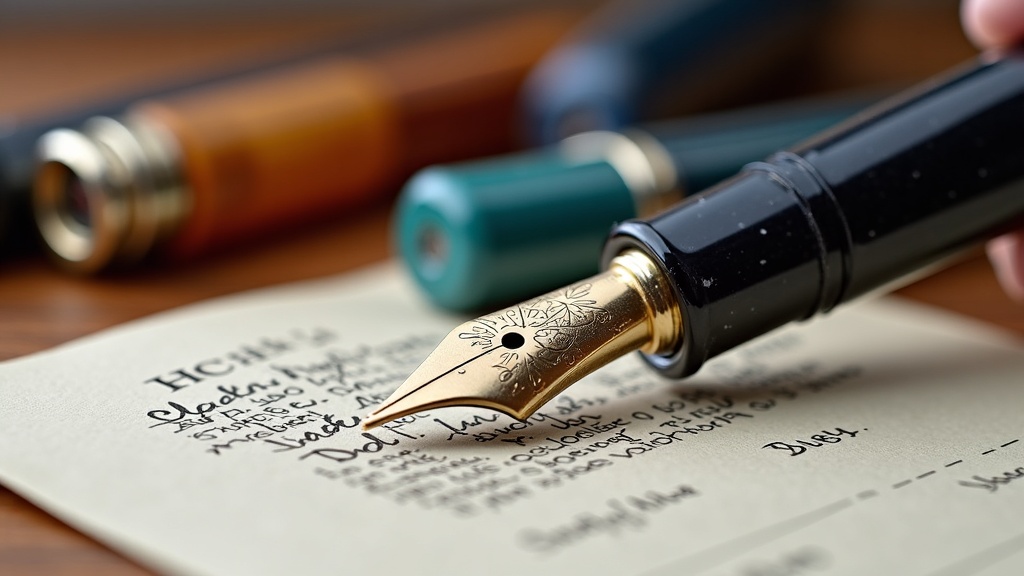
Gold nibs are resistant to iron gall corrosion. Steel nibs will corrode if you leave the ink in them for extended periods. I only use iron gall in gold-nibbed pens or the few steel nibs specifically treated for iron gall resistance (like R&K Salix-compatible nibs).
Maintenance Requirements
You cannot leave iron gall ink in a pen unused for weeks. I flush my pens every 7-10 days if I’m not actively using them. Cleaning requires more thorough flushing than dye-based inks—I use a diluted ammonia solution (1:10 ratio) followed by multiple water flushes.
Best Iron Gall Ink Brands (From Six Years of Testing)
| Brand | pH Level | Corrosion Risk | Best For |
|---|---|---|---|
| Rohrer & Klingner Salix | 4.5 | Low | Daily use, moderate iron gall properties |
| Rohrer & Klingner Scabiosa | 4.5 | Low | Purple-black color, excellent permanence |
| Platinum Classic Iron Gall | 3.0-3.5 | Moderate | Maximum permanence, archival work |
| KWZ Iron Gall Blue-Black | 4.0 | Low-Moderate | Rich color variation, wet flow |
| Diamine Registrar’s Ink | 3.5 | Moderate | Legal documents, official records |
My Top Recommendation: R&K Salix
After testing all of these extensively, Rohrer & Klingner Salix is where I’d start. It has a balanced pH around 4.5, lower iron content than traditional formulations, and I’ve used it in the same pen for three years with zero corrosion. It darkens to a professional blue-black and offers excellent permanence without the maintenance anxiety of more aggressive formulas.
For Maximum Permanence: Platinum Classic
When I need absolutely permanent, archival-quality writing, I use Platinum Classic Iron Gall Blue-Black. It’s more acidic, requires stricter maintenance, but the permanence is unmatched. I keep it in a dedicated gold-nibbed pen that I flush weekly.
How to Use Iron Gall Ink Safely
Pen Selection
Use iron gall ink exclusively in:
- Gold-nibbed pens (14k or higher)
- Pens with gold-plated steel nibs
- Modern pens with plastic or resin construction (avoid vintage celluloid)
- Pens you can easily disassemble for cleaning
Never use iron gall in:
- Vintage pens with sac filling systems
- Pens with aluminum parts in the feed or section
- Demonstrator pens you want to keep pristine (iron gall stains)
- Steel nibs unless they’re specifically rated for iron gall use
Maintenance Protocol
This is the routine I’ve developed over six years:
- Weekly flush if the pen sits unused—run clean water through until it runs clear
- Monthly deep clean—use 1 part household ammonia to 10 parts water, soak the section for 15 minutes, flush thoroughly with water
- Never let it dry out—if the pen will sit more than two weeks, empty and clean it
- Monitor the nib—inspect monthly for any discoloration or roughness that indicates corrosion starting
Storage Considerations
I keep my iron gall inks in glass bottles away from light. The iron content can precipitate if stored improperly. Shake the bottle gently before filling—you want the iron particles evenly distributed for consistent color.
Iron Gall vs. Pigmented Inks
I’m often asked why not just use modern pigmented inks for permanence. Pigmented inks suspend particles on the paper surface; iron gall bonds chemically with the cellulose. Pigmented inks can clog feeds and require similar maintenance. Iron gall flows better in fine nibs and ages more gracefully—I’ve seen 100-year-old iron gall writing that’s darker and more legible than 10-year-old pigmented ink.
The tradeoff: pigmented inks are safer in any pen, while iron gall demands respect and proper materials.
Common Misconceptions
“Iron Gall Will Destroy Your Pen”
Not if you use appropriate pens and maintain them. I have pens I’ve used with iron gall for years with zero damage. The horror stories come from leaving acidic ink in steel-nibbed vintage pens for months.
“Modern Iron Gall Isn’t Real Iron Gall”
Some formulations are gentler, but they’re still chemically iron gall. R&K Salix uses lower iron content and higher pH, but it still oxidizes on paper and creates the same permanent bond. It’s refined iron gall, not fake iron gall.
“You Must Use It Immediately After Filling”
Iron gall ink is stable in the bottle and in your pen for weeks. The oxidation that creates permanence happens on paper when exposed to air, not in the pen barrel.
Is Iron Gall Ink Right for You?
After a decade of collecting and testing, I use iron gall ink for about 30% of my writing. It’s ideal for:
- Archival journaling and important records
- Signing legal documents and contracts
- Technical notes and field notebooks exposed to moisture
- Any writing you want to survive beyond your lifetime
It’s not ideal for:
- Casual daily writing if you don’t want maintenance overhead
- Rapidly switching between pens and inks
- Highly saturated, vibrant colors (iron gall leans blue-black to brown-black)
- Use in pens you can’t easily clean
Frequently Asked Questions
Can I mix iron gall ink with other inks?
Absolutely not. Mixing iron gall with alkaline inks can cause precipitation and clog your pen. Always flush completely between different ink chemistries. I’ve made this mistake once—it created a gel that required ultrasonic cleaning to remove.
How long does iron gall ink take to become permanent?
Initial water resistance develops within hours, but full oxidation and maximum permanence take 24-48 hours. I’ve tested writing at 6-hour intervals and seen progressive improvement in water resistance as the iron oxidizes.
Will iron gall ink fade over time like regular inks?
No. The oxidized iron-tannin complex is exceptionally stable. UV exposure will fade dye-based inks within years; iron gall writing from the 1800s remains dark and legible. This is why archivists still use it.
Can I use iron gall ink in an everyday carry pen?
Yes, but choose a modern formulation like R&K Salix and commit to weekly use or weekly flushing. I carry a Pilot Custom 823 with Salix daily—it writes every day, gets flushed monthly, and has shown zero issues in three years. The key is consistent use or consistent maintenance.
What’s the best pen for iron gall ink?
Any modern pen with a gold nib and easy-to-clean filling system. I use a Lamy 2000 (14k gold nib, piston filler, simple disassembly), Pilot Custom series (gold nibs, cartridge or converter), or my vintage Montblanc 146 (18k nib). Avoid vintage celluloid pens or anything with lots of brass or steel in the feed assembly.
Scope, uncertainty & affiliate disclosure
Writing feel is personal. Product details can vary by version, and NibGuide does not imply that every item mentioned was personally purchased or tested.
Some links may be affiliate links. NibGuide may earn a commission at no added cost to you; this does not determine editorial conclusions.
Leave a Comment