
On this page
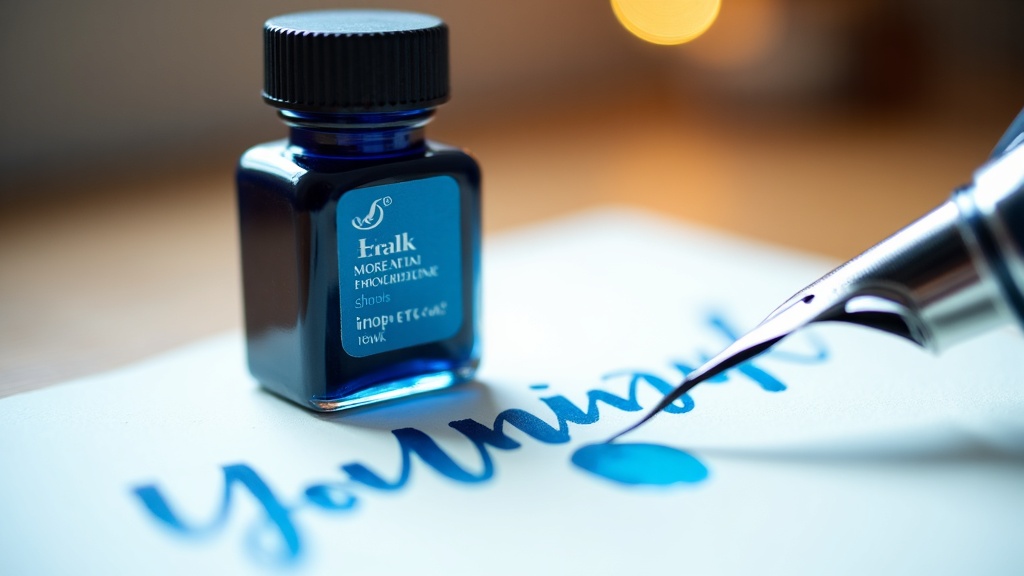
Pilot Iroshizuku is one of the best-performing fountain pen ink lines I’ve used, but it is not cheap. After testing 18 Iroshizuku colors across everyday writers, wetter gold nibs, and flex pens, my short verdict is this: if you care about smooth flow, strong shading, and a genuinely excellent bottle design, it earns its premium. If you just want functional daily ink at the lowest cost, Diamine gets you most of the way there for much less.
This review is built to answer the questions people actually ask before buying: which Iroshizuku colors are best, how the inks behave on paper, whether they are worth the price, and which alternatives make more sense if you want to save money.
Pilot Iroshizuku at a Glance
- Best overall color: Tsuki-yo
- Best everyday blue: Asa-gao
- Best everyday dark ink: Take-sumi
- Best for shading: Tsuki-yo and Ama-iro
- Biggest downside: weak water resistance
- Worth it? Yes for enthusiasts; maybe not for casual users
If you want the short version: Pilot Iroshizuku inks are reliably wet, clean-writing, and unusually easy to live with. They make many pens feel smoother, they behave well on decent paper, and the color lineup is strong without being gimmicky. The catch is simple: the price is high enough that value-minded buyers should pause before building a whole collection.
Best Pilot Iroshizuku Colors
If you are only buying one bottle, start with Tsuki-yo. It is the most complete expression of why people love Iroshizuku: smooth flow, rich but controlled saturation, visible shading, and enough character to feel special without becoming hard to read.
Here are the Iroshizuku colors I would point most people toward first:
Tsuki-yo
My top overall pick. It is a blue-black with teal depth, excellent shading, and a polished look on good paper. Formal enough for work, interesting enough for personal writing.
Asa-gao
The best everyday blue in the lineup. Clean, bright, readable, and a little more lively than a standard office blue. If you want one bottle that simply behaves, Asa-gao is the safe recommendation.
Take-sumi
The best dark neutral choice. It is not the most permanent black on the market, but it is one of the most pleasant blacks to write with. Smooth, rich, and less fussy than many waterproof alternatives.
Ama-iro
One of the prettiest blues in the range. It shades beautifully and feels joyful on the page. Better for personal writing, journaling, and correspondence than for conservative office use.
Kon-peki
The most famous Iroshizuku color for good reason. Bright, saturated, and extremely attractive. I rank it slightly below Tsuki-yo as an all-around pick only because it is more vivid and therefore less versatile.
Yama-budo
The cult favorite. Deep magenta-purple, dramatic without being unreadable, and one of the colors that makes people fall in love with fountain pen ink as a category.
Shin-kai
If Tsuki-yo feels too colorful, Shin-kai is the calmer alternative. It is a dark blue-gray with excellent everyday usability and a more subdued personality.
How Iroshizuku Performs in Real Pens
This is where Iroshizuku earns its reputation. Across Japanese fine nibs, medium steel nibs, and wetter gold nibs, these inks usually feel lubricated and easy-flowing. If you have a pen that writes a little dry or slightly less smooth than you want, switching to Iroshizuku often improves the writing experience immediately.
In practical terms, that means:
- dry pens feel more cooperative
- fine nibs feel less scratchy
- broader nibs show off shading especially well
- startup reliability is excellent after a pen has been capped for a day or two
I would not call every Iroshizuku color identical in behavior, but the line is more consistent than most. That consistency is one of the reasons enthusiasts keep coming back even when cheaper inks exist.
Dry Time, Water Resistance, and Paper Behavior
On decent paper, Iroshizuku usually performs very well. Flow is generous without becoming uncontrollable, feathering is generally low on fountain-pen-friendly paper, and shading is one of the line’s major strengths.
That said, there are three practical caveats:
Dry time
These are not the fastest-drying inks. If you are a left-handed overwriter or you write quickly on coated paper, expect some colors to take longer to set than drier alternatives.
Water resistance
This is the biggest weakness of the line. Most Iroshizuku inks are not what I would trust for archival notes, official documents, or anything that might get wet. Some leave behind a readable ghost line, but that is not the same thing as true permanence.
Cheap paper behavior
On low-quality office paper, performance is still decent by fountain pen standards, but you will not get the full benefit of these inks. If you are paying Iroshizuku prices, you really want to use paper good enough to show the shading and color depth.
Pilot Iroshizuku vs Diamine, Sailor, and Noodler’s
If you are trying to decide whether Iroshizuku is worth paying extra for, this is the comparison that matters.
Iroshizuku vs Diamine
Diamine is the best value counterargument to Iroshizuku. It offers an enormous color range, plenty of excellent performers, and far lower cost per bottle. If your priority is affordability and variety, Diamine wins. If your priority is premium feel, consistent lubrication, and a more refined everyday writing experience, Iroshizuku has the edge.
Iroshizuku vs Sailor
Sailor inks often offer more unusual color personality and more distinctive shading behavior, but they can feel a little drier depending on the ink and pen pairing. Iroshizuku is usually the easier recommendation if you want reliability and smoothness first.
Iroshizuku vs Noodler’s
Noodler’s is the opposite value proposition: more experimentation, more permanence options, more inconsistency. Some Noodler’s inks are excellent, but the line asks more of the user. Iroshizuku is cleaner, more polished, and easier to recommend broadly. If you specifically need waterproof or bulletproof properties, Noodler’s may make more sense. If you want a premium everyday ink that just behaves, Iroshizuku is the better buy.
Is Pilot Iroshizuku Worth the Price?
For many fountain pen enthusiasts, yes.
You are paying for:
- consistently excellent flow
- strong lubrication
- attractive, well-curated colors
- excellent bottle design
- fewer surprises across different pens
You are not paying for:
- water resistance
- bargain pricing
- massive bottle size
- groundbreaking novelty in every color
My honest verdict is simple: if you only use one or two inks regularly and want them to feel luxurious every time you write, Iroshizuku is easy to justify. If you go through a lot of ink, care mainly about value, or need permanence, there are better places to spend your money.
Who Should Buy It
Pilot Iroshizuku makes the most sense for:
- fountain pen users who want a premium everyday ink
- writers who care about smooth flow and pleasant feel
- people building a small, high-quality ink collection
- anyone with a slightly dry pen that could benefit from a wetter ink
It makes less sense for:
- bargain hunters buying by cost per milliliter
- people who need waterproof or archival performance
- users writing mostly on cheap office paper
- beginners who are still figuring out what colors they even like
Final Verdict
Pilot Iroshizuku is expensive, but it is not overpriced. That is the key distinction.
As a fountain pen ink line, it consistently delivers the things premium ink should deliver: smoothness, reliability, attractive colors, and a writing experience that feels better than average the moment the nib touches paper. The weak water resistance and premium pricing keep it from being a universal recommendation, but for many enthusiasts it earns its place.
If you want the safest first bottle, buy Tsuki-yo. If you want the best all-purpose blue, buy Asa-gao. If you want the color that most often turns someone into an Iroshizuku fan, buy Yama-budo or Kon-peki.
That is the real story with Iroshizuku: you are not paying for necessity. You are paying for pleasure, consistency, and polish. If those matter to you, it is worth it.
Scope, uncertainty & affiliate disclosure
Writing feel is personal. Product details can vary by version, and NibGuide does not imply that every item mentioned was personally purchased or tested.
Some links may be affiliate links. NibGuide may earn a commission at no added cost to you; this does not determine editorial conclusions.
Leave a Comment