On this page
I’ve tested enough pens, nibs, and inks to know this question matters more than it first appears. If you are buying your first fountain pen, one of the first decisions you will run into is whether to start with cartridges or bottled ink. It sounds like a small detail, but it shapes how easy the pen feels to use, how much maintenance you will deal with, and how much room you have to experiment later.
The good news is that there is no wrong answer. Both systems can work well for a beginner. The better choice depends less on pen snobbery and more on your tolerance for mess, your interest in trying different colors, and whether you want writing to feel as simple as possible on day one.
The Short Answer
Most beginners should start with cartridges if convenience is the top priority. They are clean, fast to replace, easy to carry, and less intimidating if you are still learning how a fountain pen behaves. If your main goal is to get comfortable with the pen itself, cartridges remove friction.
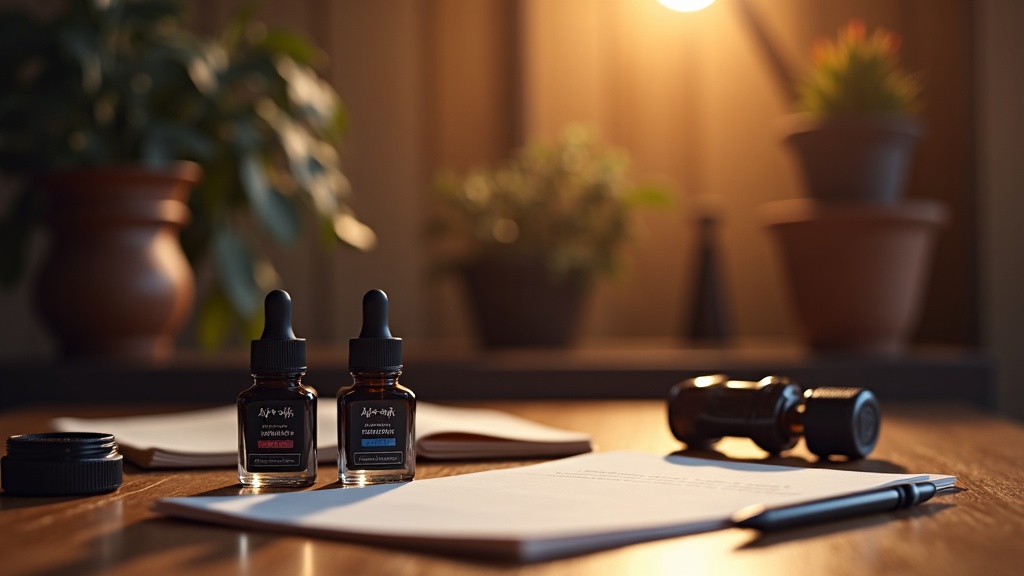
Bottled ink becomes the better starting point if you already know you enjoy stationery, want more color choices, or do a lot of writing and care about long-term value. Filling from a bottle takes a little practice, but it opens up a much bigger part of the fountain pen hobby and usually costs less per page over time.
What Matters Most Before You Buy
Before choosing one system over the other, think about how you actually plan to use the pen. A beginner who journals at a desk has different needs from someone who signs documents on the go.
- Convenience: Cartridges are quicker and cleaner, especially if you do not want ink on your fingers or desk.
- Color selection: Bottled ink gives you far more options, from conservative blue-blacks to shading and shimmer inks.
- Cost over time: Bottled ink is usually cheaper in the long run if you write often.
- Maintenance comfort: Cartridges ask less of you upfront, while bottled ink requires learning to fill and flush the pen properly.
If you are undecided, convenience is usually the best tiebreaker for a first pen. Early frustration rarely comes from the nib alone. It often comes from setup and cleanup, and cartridges keep both simple.
My Top Picks or Buying Tiers
If you want a safe shortlist instead of a rabbit hole, I would start with fountain pen ink, bottled fountain pen ink, and fountain pen paper before spending more.
I tend to break beginner choices into practical tiers rather than treating one option as universally better.
- Best for absolute beginners: Cartridges, because they let you focus on writing instead of handling ink.
- Best for curious hobbyists: Bottled ink, because it gives you access to better variety and a more engaging experience.
- Best value over time: Bottled ink, especially if you fill often and stick with a few favorite colors.
- Best compromise: Start with cartridges in a pen that also accepts a converter later, so you can switch when you are ready.
That last option is often the smartest buy. A cartridge-converter pen lets you start simple, then move into bottled ink without replacing the whole pen. It lowers the risk of choosing wrong because you are really choosing when to upgrade, not whether you ever can.
Who Each Option Fits Best
Each system works best for a different type of beginner, and being honest about your habits will help more than following hobby advice.
- Choose cartridges if you want a low-maintenance pen for school, work, or occasional note-taking.
- Choose cartridges if you travel often or need to swap ink quickly without carrying extra accessories.
- Choose bottled ink if you enjoy experimenting with paper, handwriting, and different ink personalities.
- Choose bottled ink if you expect to write a lot and do not mind a short learning curve.
Some beginners assume bottled ink is only for enthusiasts, but that is not really true. It is perfectly manageable if you are patient and willing to learn a basic filling routine. The real question is whether that extra ritual sounds enjoyable or annoying to you.
If you are buying for school, office notes, or general everyday writing, I would lean toward conservative nib sizes and pens with solid cap sealing first. If you are buying because you want to enjoy the hobby side, grip shape and nib-swapping options matter more because they affect how much room you have to experiment later.
This is also where personality starts to matter. Some beginners want the simplest possible success path, while others are happy to trade a little convenience for a pen that feels more distinctive in the hand.
Mistakes I See Beginners Make
The biggest mistake is buying a pen locked into one system without thinking ahead. Some pens only accept proprietary cartridges, while others use standard international cartridges or include a converter. If flexibility matters, check compatibility before you buy.
The second mistake is assuming bottled ink is automatically better because it feels more serious. Beginners sometimes jump straight into bottles, converters, and specialty inks before they even know whether they like the nib size or grip. If you are unsure, start with the simplest setup possible and add complexity only after the pen proves you want to keep using it.
A quieter mistake is copying recommendation lists without checking how you actually write. A pen that is perfect for journaling on better paper may be a poor match for fast notes on office stock, and a broad wet nib that looks fun online can become annoying fast if your paper quality is average.
I would rather see a beginner buy one modest pen that works every morning than a more glamorous one that creates preventable friction. Early confidence matters more than chasing a collector’s idea of the perfect starter setup.
Bottom Line
If you want the easiest, least stressful entry into fountain pens, start with cartridges. They are practical, beginner-friendly, and perfectly respectable even if you never move beyond them.
If you already know you enjoy the hobby side of writing, bottled ink is more rewarding and more flexible. For most people, the ideal first step is a pen that supports both: use cartridges at first, then switch to bottled ink with a converter once the basics feel natural.
If you want the safest recommendation, I would keep the decision boring on purpose: reliable brand, fine or medium nib, straightforward ink, and a body shape you will actually enjoy holding for a page or two. That formula is not flashy, but it is what sets up most new fountain-pen users for a good first month.
Extra Context That Changes the Decision
I also think the wrong choice usually comes from chasing one spec in isolation. In practice, nib feel, dry time, paper tolerance, maintenance burden, and total cost all interact, so I prefer to weigh them together before I recommend anything.
That is why I keep coming back to fit and tradeoffs instead of one-size-fits-all advice. A pen or ink can be technically good and still be wrong for the way you actually write, the paper you use most, or the amount of maintenance you are willing to do.
What I Would Buy First if You Are Unsure
If you are stuck between several beginner recommendations, I would bias toward the pen that is easiest to live with for the first 30 days rather than the one with the most hype. Good cap sealing, predictable nib behavior, and simple refilling matter more early than prestige or special materials.
I also think a beginner should leave room in the budget for decent ink and at least one paper that lets the pen show its strengths. A solid starter pen on miserable paper can create the false impression that fountain pens are overrated, when the real mismatch is the overall setup.
When I Stop Troubleshooting at Home
I stop home troubleshooting the moment the pen starts asking for force. If a nib feels misaligned enough that I would need to bend metal by feel, or a filling system feels stuck enough that I want tools instead of patience, that is usually my sign to back off.
I also think cost matters in a practical way. A basic pen with a stubborn problem may be worth replacing, while a vintage or sentimental pen is usually worth handing to someone who knows how to preserve original parts and avoid collateral damage.
If you want a simple rule, here it is: maintenance should feel gentle and reversible. The moment the fix starts sounding invasive, the smartest move is often to stop and let a repair specialist take over.
Small Clues That Change My Answer
A pen that only skips on one paper or with one dry ink usually tells me the problem is still in setup territory. A pen that behaves badly across several good inks and papers after a proper flush makes me more suspicious of tine alignment, seal failure, or feed damage.
I also listen for patterns around filling. If the converter feels loose, the piston feels gritty, or the pen leaks into the cap after travel, those clues usually point to a mechanical issue rather than a simple cleaning problem. That is exactly where a careful repair person earns their keep.
The reason I like paying attention to small clues is that they stop you from overreacting in the wrong direction. You either avoid an unnecessary repair bill, or you avoid making a fragile pen worse by insisting on one more DIY attempt.
If the pen matters to you, that distinction is worth taking seriously. Good troubleshooting is really about knowing when to keep going and when to stop before the damage gets expensive.
How I Would Decide in Five Minutes
If I had only a few minutes to make the call, I would ask three questions. Did the pen improve after a thorough flush, does it behave the same across known-good ink and paper, and can I see or feel anything physically wrong with the nib or filling system? Those three answers usually tell me whether I am still in cleaning territory or whether the problem has crossed into repair territory.
I also think it helps to separate inconvenience from actual failure. A pen that needs a deeper clean is annoying, but it is not automatically broken. A pen that keeps leaking, keeps hard-starting after careful cleaning, or feels mechanically wrong when filling is telling you something more serious.
That distinction matters because many fountain-pen problems reward patience, while true repair issues punish it. The more clearly you can tell those two categories apart, the less likely you are to waste time, money, or a good pen.
For beginners especially, I would rather see one extra round of calm diagnosis than one aggressive attempt to force a solution. Pens are easier to maintain than to resurrect after a bad repair guess.
That is why my rule stays boring on purpose: clean gently, test methodically, and escalate only when the evidence points to an actual fault.
Scope, uncertainty & affiliate disclosure
Writing feel is personal. Product details can vary by version, and NibGuide does not imply that every item mentioned was personally purchased or tested.
Some links may be affiliate links. NibGuide may earn a commission at no added cost to you; this does not determine editorial conclusions.
Leave a Comment